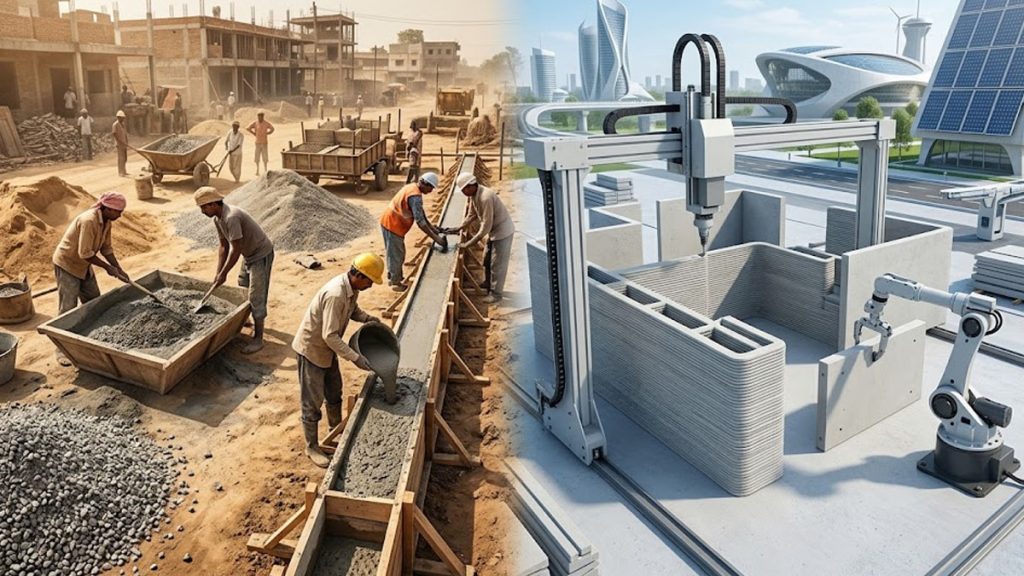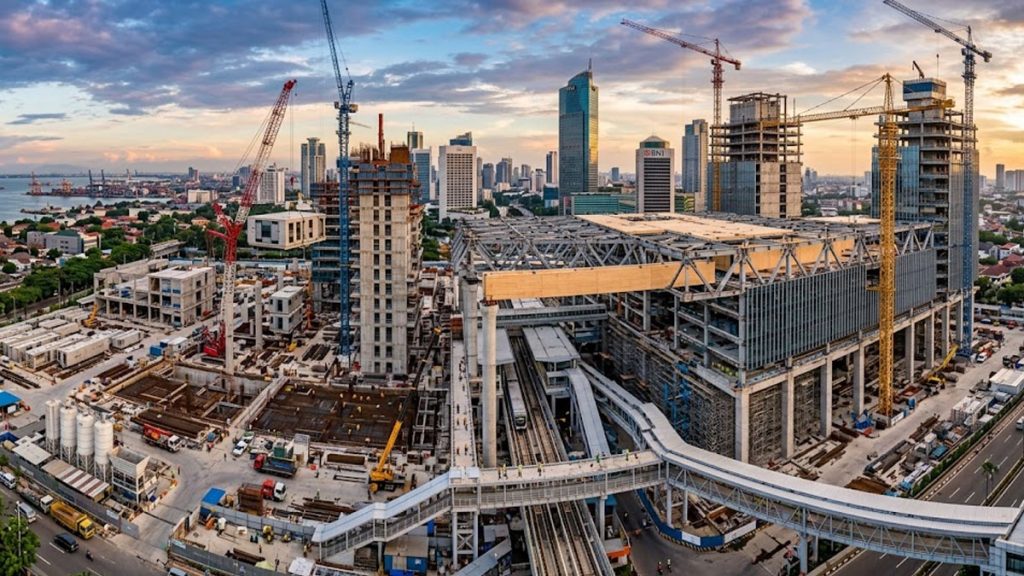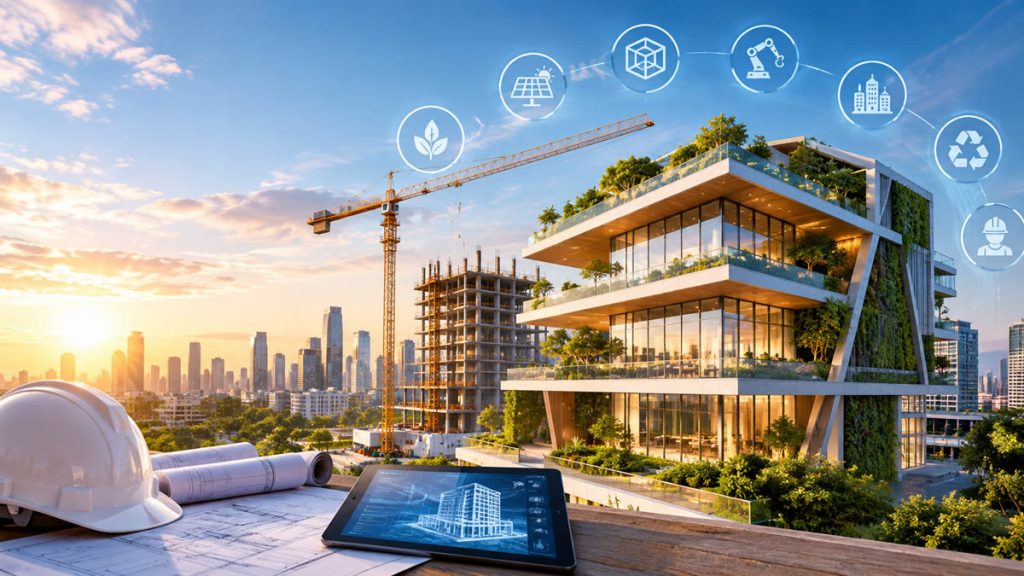
In an era defined by rapid urbanization, skyrocketing populations, and urgent demands for sustainability, modern construction faces a critical question: how do we build faster, stronger, and cleaner? The traditional, labor-intensive methods of pouring concrete on-site—often delayed by weather, human error, and supply chain bottlenecks—are rapidly becoming relics of the past.
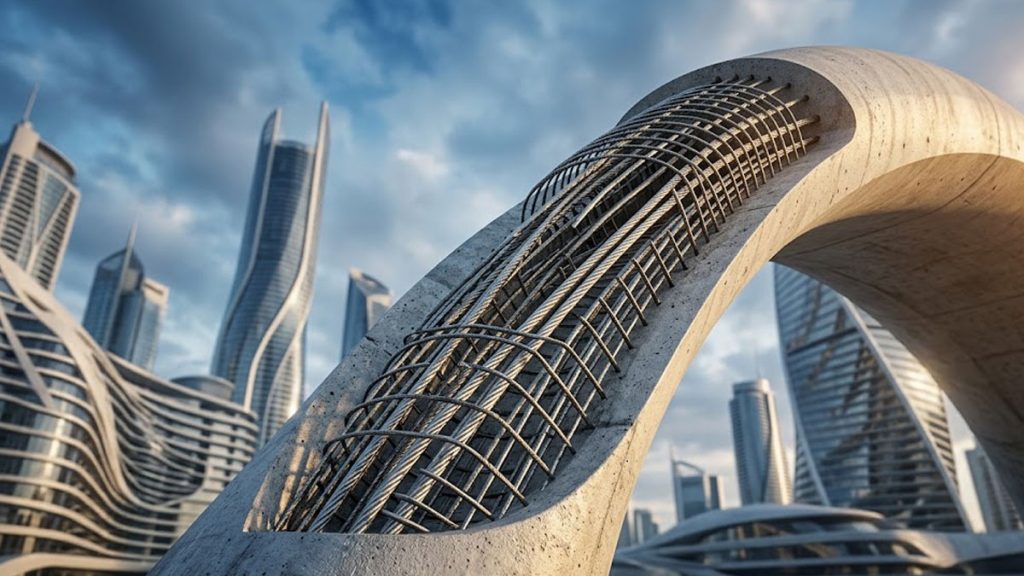
Enter precast concrete: the unsung engine driving today’s smart city evolution. From towering skyscrapers and high-speed rail corridors to underground utility networks and resilient coastal defenses, precast concrete is fundamentally changing how humanity builds.
What Is Precast Concrete?
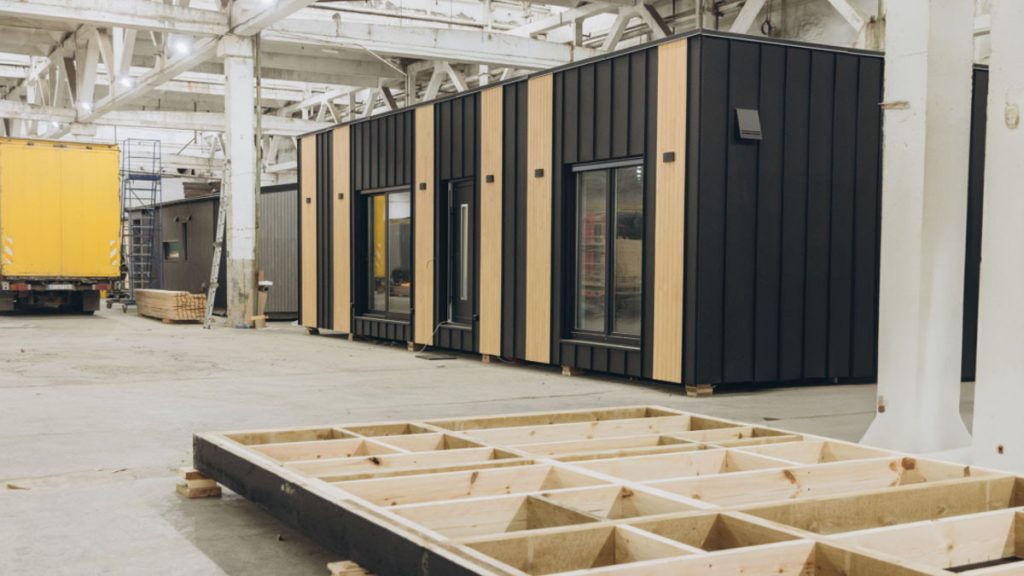
Precast concrete is a specialized construction material cast and cured in a controlled off-site manufacturing plant rather than directly at the job site. Once manufactured, elements are transported to the construction location and assembled like precision building blocks.
Unlike traditional cast-in-place concrete—where liquid concrete is poured into temporary wooden or steel formwork exposed to unpredictable weather—precast components are produced under hyper-regulated indoor environments. Technicians carefully monitor humidity, temperature, and material proportions to produce structural components with exceptional durability and exact dimensions.
Unmatched Speed and Efficiency in Construction
Time is the most expensive variable in infrastructure development. Project delays drain municipal budgets, snarl urban traffic, and disrupt local commerce. Precast concrete drastically accelerates project timelines through parallel processing.
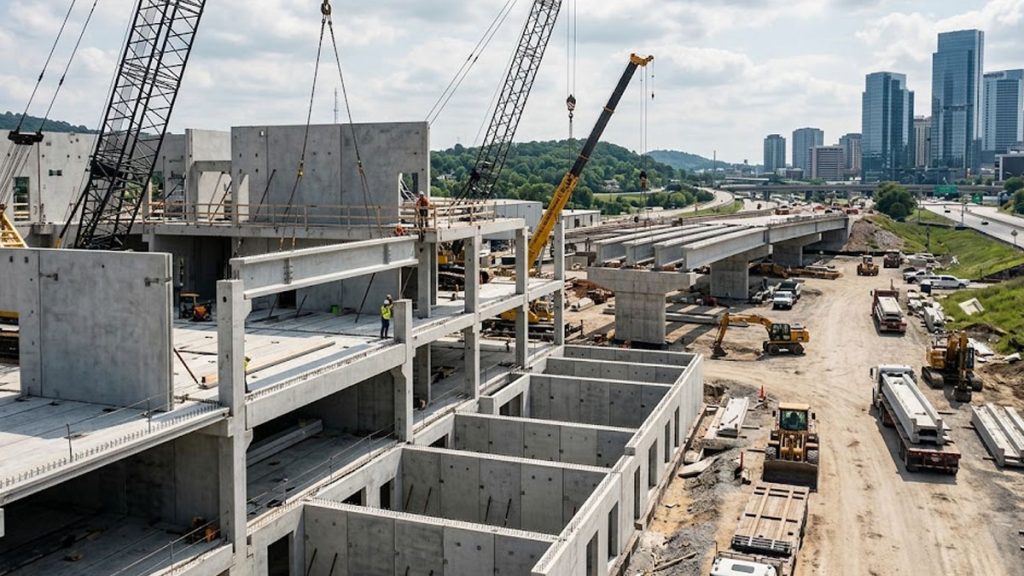
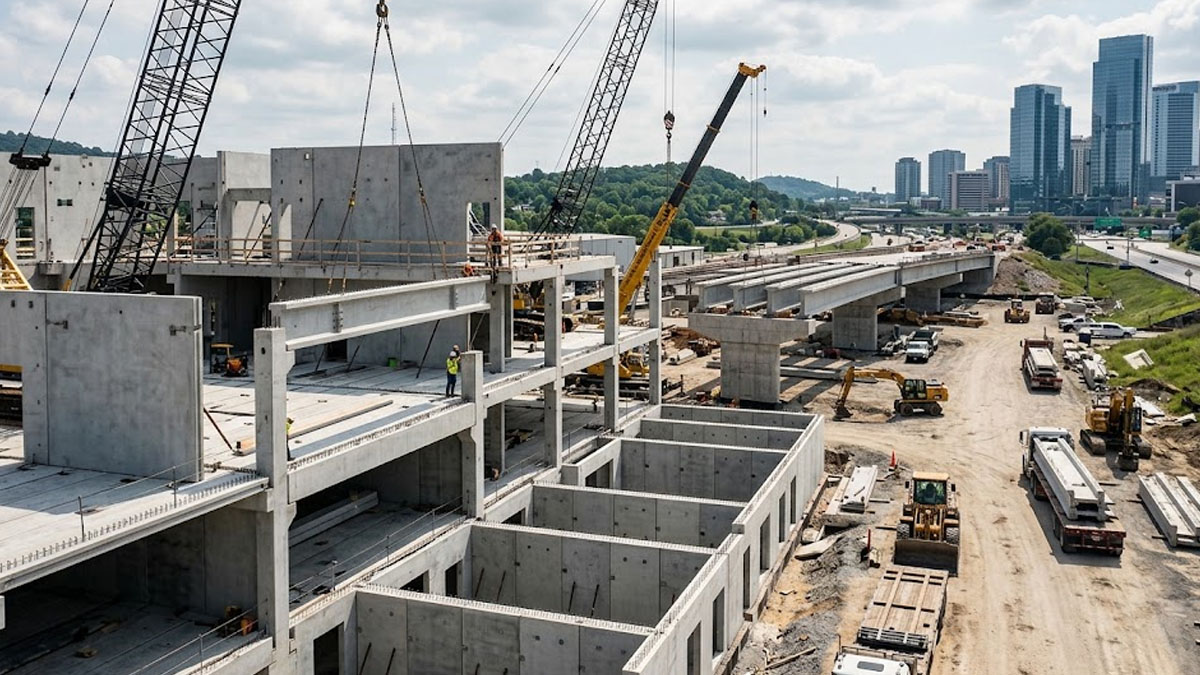
While ground teams perform site excavation, foundation laying, and utility preparation, the precast elements are manufactured simultaneously inside the factory. Once the site is ready, installation proceeds at an unprecedented pace. Beams, hollow-core slabs, and facade panels arrive just-in-time, allowing structures to rise in weeks rather than months.
Superior Quality Control and Structural Durability
Quality control on a typical construction site is always a gamble against the elements. Rain, extreme heat, or freezing temperatures during curing can compromise concrete strength, leading to micro-cracks and reduced longevity.
In a controlled precast factory:
- Poured Concrete Cures Under Ideal Conditions: Consistent moisture and temperature levels ensure maximum compressive strength.
- Rigorous Testing: Aggregates, cement ratios, and steel reinforcement placement undergo constant laboratory checks.
- Lifespan Extension: Precast elements routinely achieve service lives of 50 to 100+ years with minimal maintenance needs, proving far superior in resistance to corrosion, fire, freeze-thaw cycles, and chemical exposure.
Key Applications in Modern Infrastructure
The versatility of precast concrete makes it indispensable across diverse infrastructure sectors:
Transport Networks and Bridges
Bridge girders, pier caps, acoustic barrier walls, and tunnel lining segments are overwhelmingly precast today. Modular assembly minimizes lane closures and track disruptions, keeping cities moving during major overhauls.
Urban Buildings and High-Rises
Precast architectural panels serve dual purposes as load-bearing structural walls and polished exterior facades, dramatically cutting down total building weight and construction timelines.
Subsurface Utilities and Water Management
Box culverts, stormwater retention vaults, sewer pipes, and manholes are engineered from precast concrete to handle immense earth pressures while protecting local water tables.
Driving Sustainability and Circular Construction
As global mandates push for net-zero construction standards, precast concrete plays a pivotal role in reducing the environmental footprint of heavy civil engineering:
- Waste Reduction: Precision batching in factories cuts concrete waste to near-zero compared to wet-pour sites.
- Energy Efficiency: Heavy concrete structures possess high thermal mass, naturally regulating indoor temperatures and lowering long-term HVAC energy demands.
- Recyclability and Reusability: Precast modules can be dismantled, relocated, or fully crushed into aggregates at the end of a building’s lifecycle.
- Lower Carbon Footprint per Unit: Factories can readily incorporate supplementary cementitious materials (like fly ash or slag) and green cements that are difficult to handle reliably in unpredictable field settings.
Overcoming Transportation and Logistics Challenges
While precast concrete offers major advantages, successful implementation depends heavily on advanced logistics and spatial planning. Transporting oversized concrete girders or heavy wall panels requires specialized flatbed trailers, route permissions, and precise crane placement on-site.
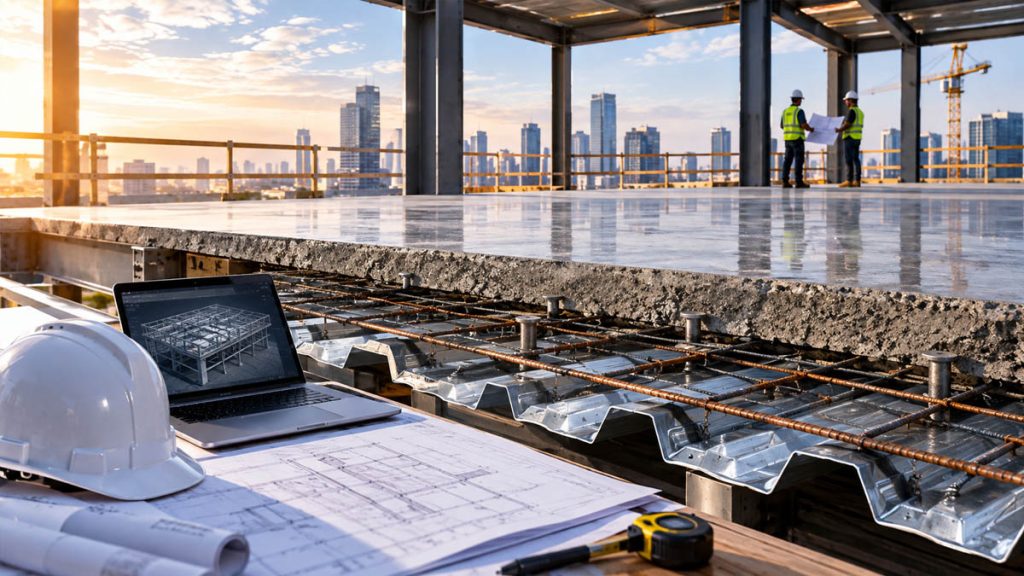
However, as Building Information Modeling (BIM) and digital twin technologies advance, contractors can simulate transportation routes and crane lifts with millimeter precision long before the first panel leaves the factory.
The Road Ahead: Precast Meets Automation
The future of precast concrete lies in hyper-automation, 3D printing integration, and self-healing concrete formulations. Smart sensors embedded within precast components now provide real-time structural health monitoring, alerting engineers to stress changes or moisture penetration decades after installation.
As global populations expand toward 10 billion, the infrastructure needed to support them cannot be built using 20th-century methods. Precast concrete stands as the foundational bridge connecting structural resilience, rapid execution, and sustainable urban living.