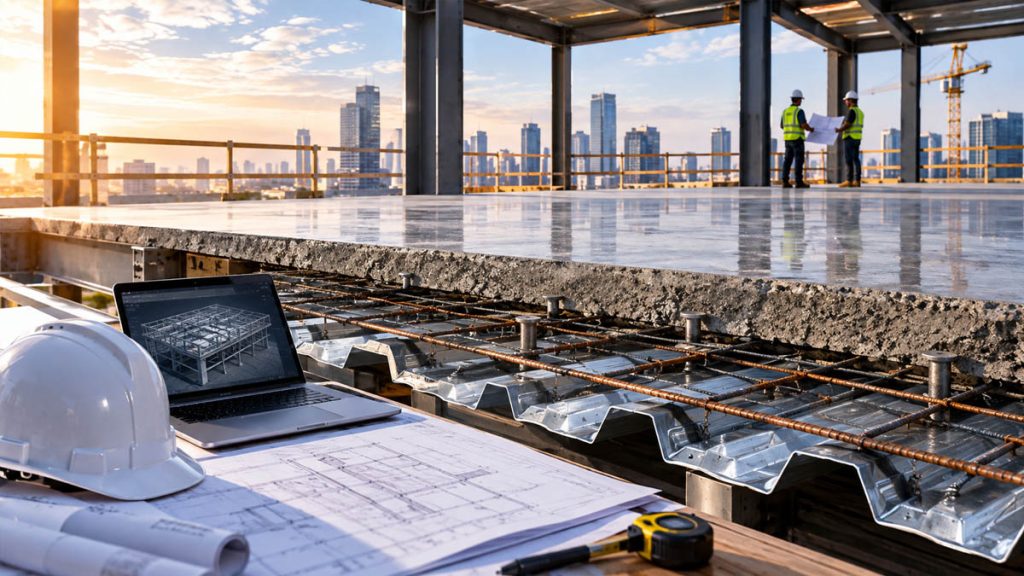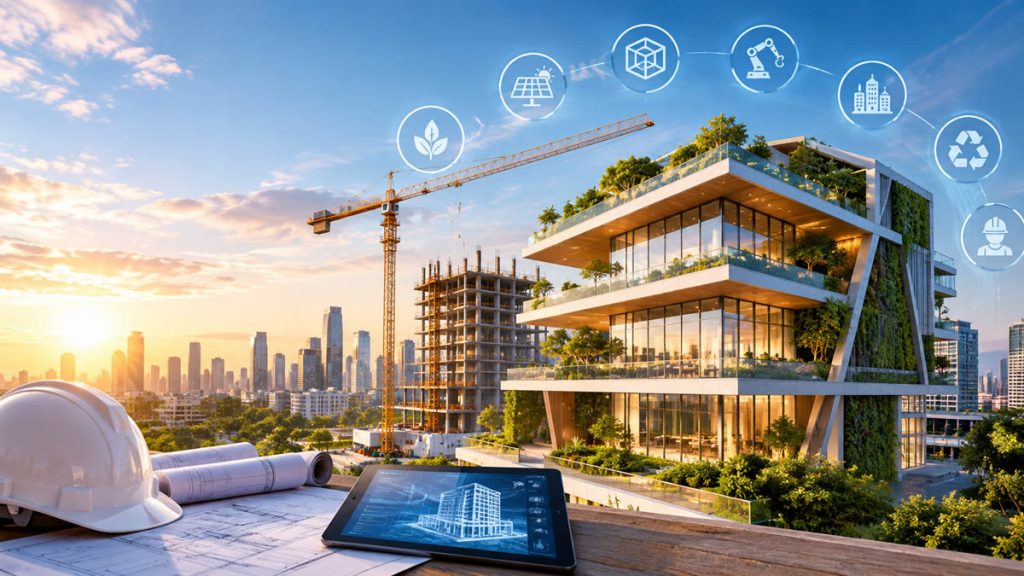
The construction and architecture industries are undergoing a massive revolution. In the past, building design revolved almost entirely around structural durability and visual aesthetic. Today, that focus has shifted dramatically. Energy efficiency, construction speed, waste reduction, and smart technology integration have become the new non-negotiables for any modern project.
Driven by climate change concerns and rapid digital innovation, architects and contractors are pushing boundaries further than ever. The result is a series of groundbreaking advances changing the skyline of modern cities worldwide.
Here are 7 major construction trends that are fundamentally changing the way we design and build structures today.
1. Modular and Prefabricated Construction
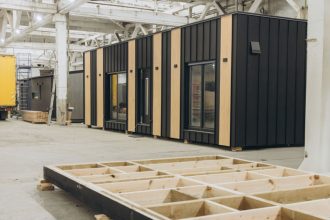
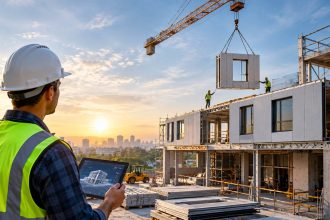
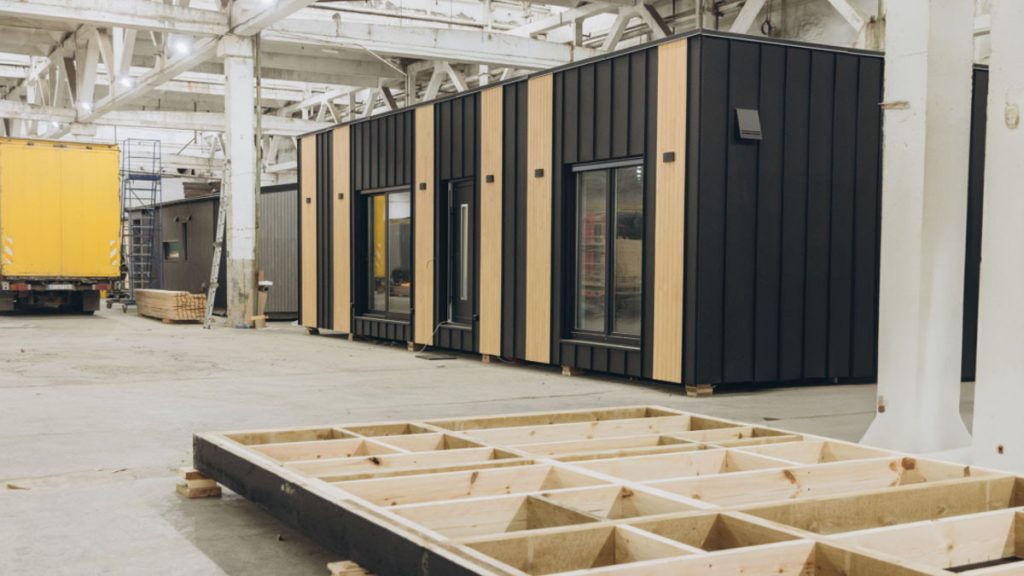
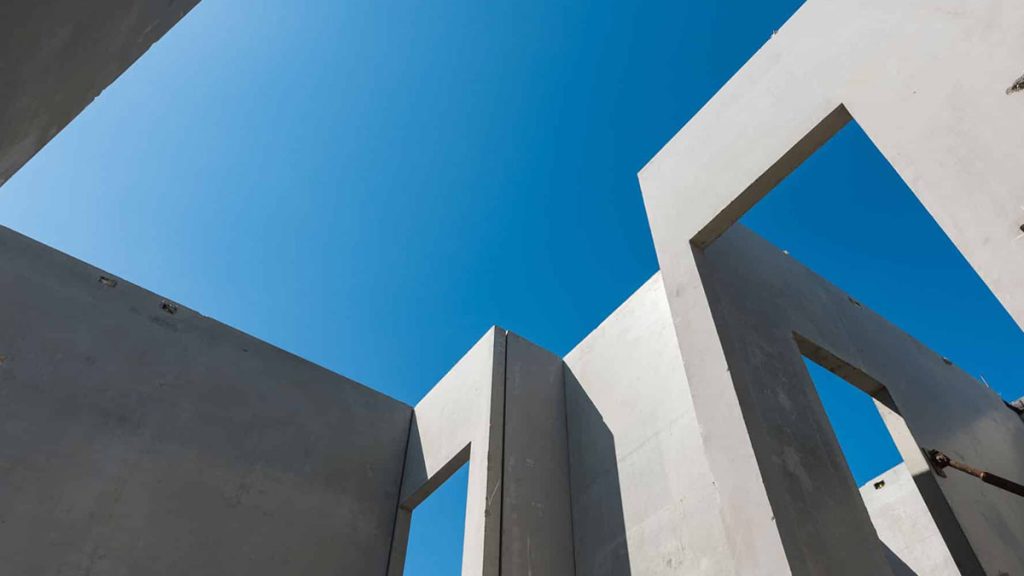
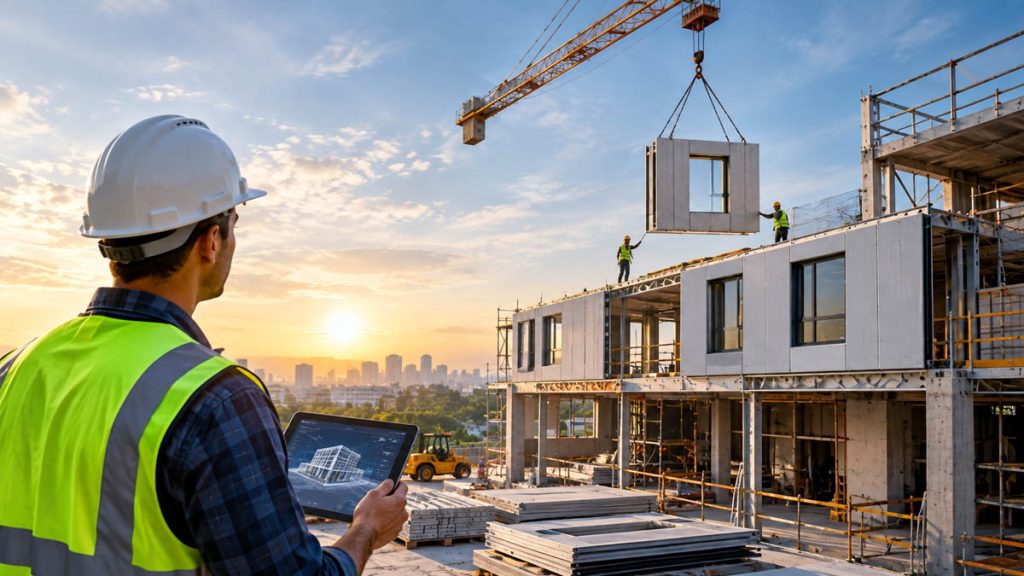
Traditional job site workflows are being completely reimagined through modular construction. Instead of building an entire structure from scratch outdoors, major components are produced inside off-site factories with controlled conditions.
Once these modules are crafted to precise digital specifications, they are transported directly to the site and assembled like building blocks. This approach slashes construction timelines by up to 50 percent, significantly lowers noise pollution for surrounding neighborhoods, and drastically reduces job site material waste.
2. Large-Scale 3D Concrete Printing
Printing an entire house using automated machinery used to sound like science fiction, but 3D concrete printing is now a thriving commercial reality.
Giant robotic arms extrude specialized concrete mixtures layer by layer based on a digital blueprint, eliminating the need for traditional wooden formwork. This technology enables architects to create curved, organic, and complex geometric designs that would be nearly impossible or cost-prohibitive to craft manually. Its primary advantages are reduced labor costs and unprecedented build speed.
3. Biophilic and Bioclimatic Design
A growing awareness around mental health and human well-being has fuelled the rise of biophilic design. This philosophy focuses on reconnecting people with natural elements inside man-made environments.
Architects now design buildings that maximize natural daylighting, optimize cross-ventilation, and integrate living green walls and indoor water features. Rather than isolating occupants from their surroundings, modern buildings are engineered to integrate with and breathe alongside local ecosystems.
4. IoT-Powered Smart Buildings
Modern structures are no longer passive shells of concrete and glass; they are responsive entities powered by the Internet of Things (IoT) and artificial intelligence.
Sensors distributed throughout a facility dynamically adjust lighting, heating, and cooling based on real-time room occupancy and changing sunlight angles. Beyond improving occupant comfort, smart building networks reduce operational energy waste down to levels previously thought unachievable.
5. Advanced and Sustainable Materials
Building materials are experiencing a massive leap forward. One of the most talked-about innovations is self-healing concrete, which utilizes embedded bacteria to repair micro-cracks automatically when exposed to water.
Additionally, mass timber products like Cross-Laminated Timber (CLT) are increasingly replacing steel and concrete in mid- to high-rise developments. Wood-based engineering is not only structurally resilient and earthquake-resistant, but it also captures and stores atmospheric carbon, resulting in a much smaller carbon footprint than traditional cement production.
6. Building Information Modeling (BIM) Integration
Behind every impressive modern façade lies a powerful digital data foundation known as Building Information Modeling (BIM). This software ecosystem allows architects, structural engineers, and general contractors to collaborate simultaneously within a single, real-time 3D simulation model.
Through BIM, potential clashes between plumbing lines, electrical wiring, and structural beams can be identified and corrected on a screen long before physical construction starts. This eliminates costly rework and keeps projects within budget.
7. The Move Toward Zero-Carbon Buildings
Global sustainability targets are reshaping commercial real estate standards. Contemporary architectural designs are prioritizing Net Zero Energy Building (NZEB) concepts, where a property generates as much renewable energy on-site as it consumes over the course of a year.
By combining transparent solar window façades, micro wind turbines, and ultra-tight thermal insulation, contemporary buildings can achieve energy independence while minimizing greenhouse gas emissions.
The Next Era of Architectural Design
These seven trends demonstrate that the future of building design relies on a balance between efficiency, visual beauty, cutting-edge technology, and environmental responsibility. Today’s structures are no longer built just for shelter they are long-term investments in a healthier, more sustainable planet for generations to come.