For generations, the image of a major construction site was dominated by concrete mixer trucks, massive wooden formwork, and dozens of workers pouring and finishing wet cement on-site. While cast-in-place concrete built the cities of the 20th century, it came with unpredictable downsides: weather delays, high labor costs, inconsistent curing conditions, and structural variations.
Today, skylines are telling a different story. Developers, architects, and structural engineers are increasingly shifting toward precast concrete—structural elements poured, cured, and quality-tested in controlled factory environments before being transported to the job site. This fundamental shift is changing how skyscrapers, residential complexes, and infrastructure projects are built around the globe.
Unmatched Speed and Project Acceleration
In modern commercial real estate, schedule compression is directly connected to profitability. Traditional cast-in-place concrete requires a slow, linear workflow: erect formwork, lay rebar, pour concrete, wait weeks for it to reach design strength, strip formwork, and repeat for the next floor.
Precast concrete breaks this linear bottleneck through parallel processing. While foundation teams are excavating and preparing the physical job site, precast factories are simultaneously casting wall panels, columns, beams, and floor slabs miles away.
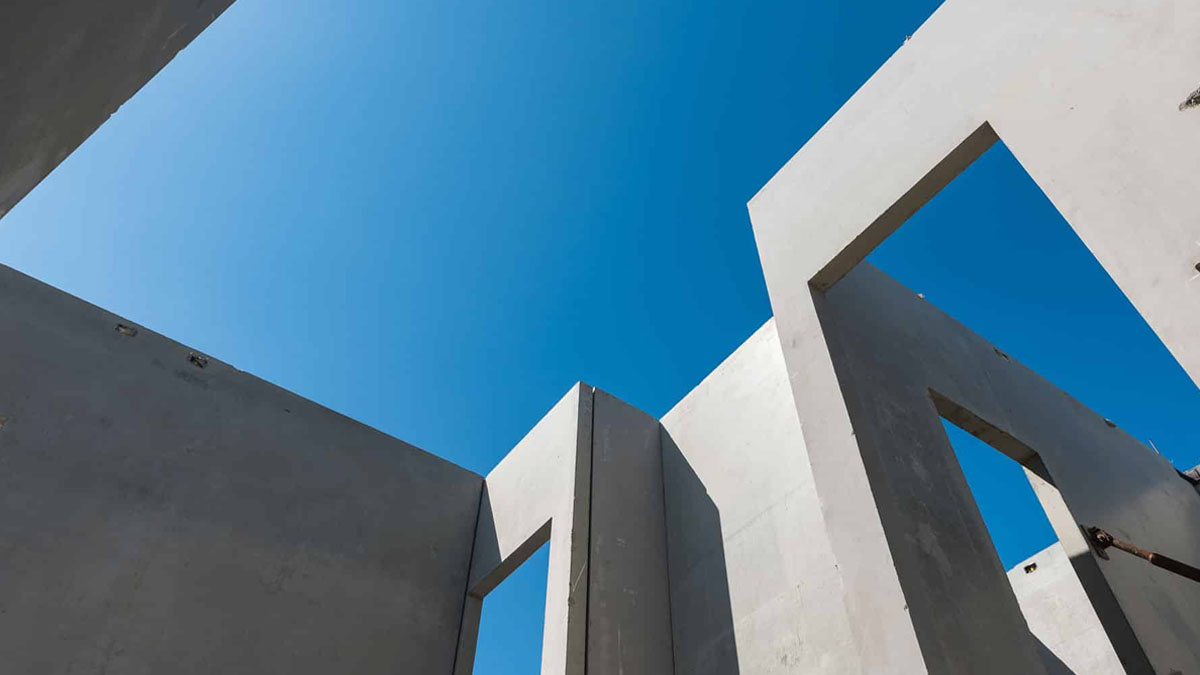
Once site work is ready, the precast components are delivered on a just-in-time schedule and erected using cranes like a large-scale assembly kit. This overlap in construction phases can cut overall project completion times by up to 40%, allowing commercial properties to open early and generate rental revenue far sooner.
Superior Quality Control and Structural Uniformity
Curing concrete outdoors on a job site exposes the material to unpredictable variables like extreme temperatures, unexpected rain, humidity spikes, and uneven drying. These environmental factors can lead to surface cracking, internal voids, and inconsistent compressive strength.
Precast manufacturing takes place in climate-controlled indoor facilities under strict laboratory-grade supervision. Mix design, temperature, water-to-cement ratios, and vibration processes are precisely monitored using computer automation.
Enhanced Durability
Because precast concrete cures in optimal conditions, it achieves higher density and lower permeability than site-poured concrete. This makes the finished components highly resistant to freeze-thaw cycles, chemical corrosion, moisture intrusion, and everyday wear, significantly extending the lifespan of the building.
Precision Finishes and Custom Aesthetics
Factory production allows architectural panels to feature precise textures, colors, reveals, and thin-brick facings right out of the mold. Designers can achieve complex aesthetic façades without needing additional exterior cladding or manual plastering on site.
Significant Labor Savings and Site Safety
The global construction industry continues to face severe shortages of skilled labor, particularly specialized masons and concrete finishers. At the same time, safety regulations on active job sites are stricter than ever.
Precast concrete reduces the overall manpower required on-site by a substantial margin. Instead of large crews managing formwork, rebar tying, and pouring across elevated floors, a small team of rigging specialists and crane operators can install dozens of structural panels per day.
Moving the heavy production phase offsite also creates a safer construction environment. Job sites become far cleaner and less congested, dramatically reducing slip-and-fall hazards, falling debris risks, and high-elevation exposure for workers.
Thermal Performance and Sound Insulation Benefits
Modern building codes demand higher energy efficiency and interior comfort standards. Precast concrete systems natively address these requirements through material density and engineered sandwich panel designs.
Thermal Mass Efficiency
Concrete possesses high thermal mass, meaning it absorbs, stores, and slowly releases heat. In modern buildings, precast exterior walls smooth out interior temperature spikes, reducing heating and cooling loads on HVAC systems and lowering operational energy costs over the building’s lifecycle.
Insulated Sandwich Panels
Precast manufacturers frequently produce “sandwich” wall panels, where a continuous layer of high-R-value rigid insulation is factory-sealed between two concrete layers. This eliminates thermal bridging and provides superior insulation compared to traditional field-assembled wall assemblies.
Acoustic Privacy
The density of heavy precast concrete provides exceptional sound attenuation. It effectively blocks airborne noise between rooms and exterior traffic noise, making it the preferred choice for high-density residential towers, hotels, hospitals, and educational institutions.
Environmental Sustainability and Waste Reduction
As sustainability certifications like LEED and BREEAM become baseline requirements for commercial developments, precast concrete offers distinct environmental advantages over traditional construction methods.
Because components are cast in reusable steel or fiberglass molds within a factory, material waste is virtually eliminated. Scrap concrete is recycled back into aggregate mixtures, and excess water is treated and reused in production. Furthermore, shorter on-site construction schedules reduce local noise, air pollution, and disruption to surrounding urban ecosystems.
Building a Resilient Future
The rise of precast concrete is not a short-term trend; it is a permanent evolution toward industrializing the building process. By delivering precision engineering, rapid installation, reduced labor overhead, and long-term durability, precast systems provide the efficiency modern cities need to keep pace with rapid urbanization.
As material science continues to advance with lighter, stronger concrete formulations, precast components will remain at the absolute core of modern architecture and structural design.