
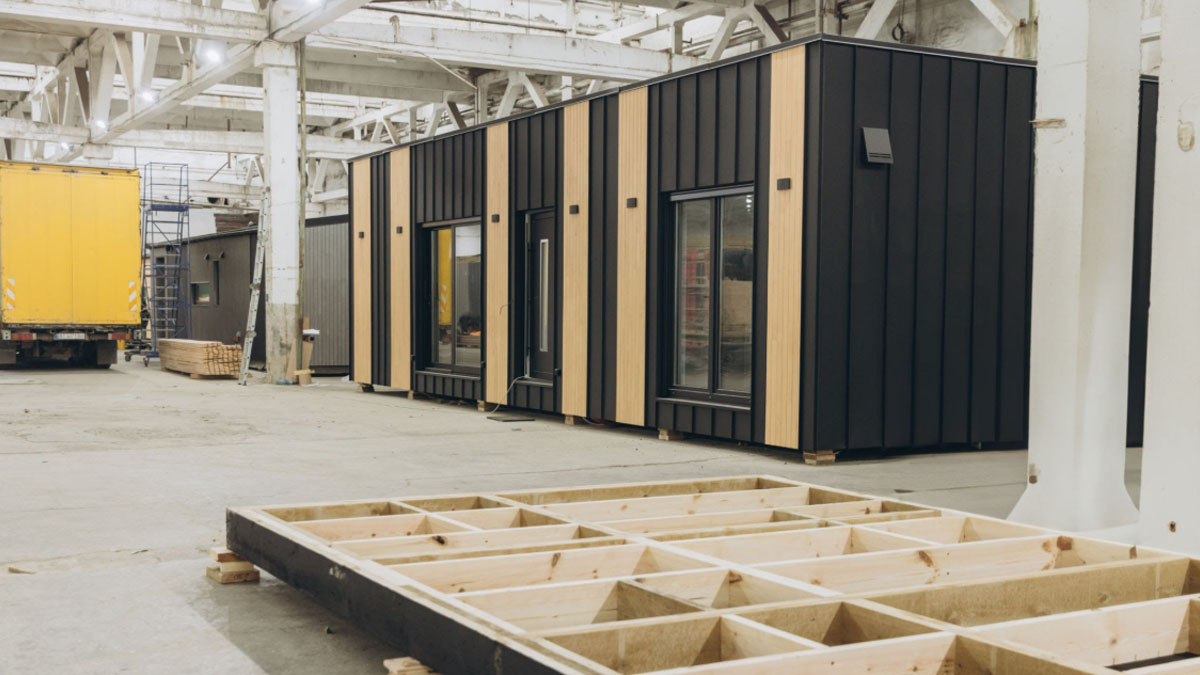
For decades, the skyline of a developing city was defined by slow-moving cranes, sprawling scaffolding, and projects that stretched years past their estimated completion dates. Traditional construction—pouring concrete on-site, waiting weeks for it to cure, and relying heavily on manual labor—was the unquestioned standard.
However, a fundamental shift is underway across the global real estate and infrastructure sectors. Developers, architects, and city planners are aggressively pivoting toward faster building methods. Driven by economic pressure, severe labor shortages, and rapid urbanization, the industry is trading slow, sequential brick-and-mortar builds for precision-engineered, high-speed construction technologies.
The Economic Reality of “Time is Money”
In commercial construction, time is directly linked to financial risk. Traditional projects often suffer from costly delays caused by unexpected weather conditions, material supply chain disruptions, and scheduling conflicts between subcontractors.
When a project takes three years instead of eighteen months, developers face prolonged interest payments on construction loans and delayed revenue from tenants or buyers. Rapid building techniques—such as modular construction and prefabricated panel systems—allow site preparation and building fabrication to happen simultaneously rather than sequentially. This dual-track approach can cut total project timelines by 30% to 50%, drastically reducing capital overhead and delivering faster return on investment (ROI).
Escalating Labor Shortages and Rising Costs
The construction industry faces a systemic demographic challenge: an aging workforce and a persistent shortage of skilled labor. Young workers are increasingly drawn to technology and service sectors, leaving developers with fewer specialized masons, carpenters, and ironworkers.
Faster building methods address this shortage by moving labor from unpredictable job sites into controlled factory environments. Offsite manufacturing relies on automated machinery, robotics, and standardized assembly lines. This shift requires fewer workers on-site while improving safety conditions, reducing physical fatigue, and increasing output quality per worker-hour.
Advances in Smart Building Technology
Modern rapid construction relies heavily on digital-first planning tools. Building Information Modeling (BIM), digital twins, and 3D printing have transformed speed from a risky rush into a calculated science.
Building Information Modeling (BIM)
BIM allows engineers to create hyper-accurate 3D digital replicas of a structure before physical work begins. Potential design conflicts—such as a pipe intersecting a structural beam—are detected and resolved in software rather than on the job site. This eliminates rework, which historically accounted for a significant percentage of construction delays.
3D Printing and Automated Assembly
Industrial 3D printers can extrude concrete foundations and wall structures in a matter of days rather than weeks. Combined with pre-assembled plumbing and electrical pods, teams can erect functional structures with minimal human intervention, pushing completion rates to unprecedented speeds.
Sustainability and Waste Reduction Targets
Fast construction is often mistakenly associated with lower quality or higher environmental impact. In reality, modern rapid methods are far more sustainable than traditional site-built approaches.
Traditional construction sites generate substantial material waste due to miscalculated orders, damaged supplies, and weather exposure. Factory-based prefabrication operates under strict material management protocols, allowing scrap metal, wood, and concrete to be recycled directly on the factory floor. Furthermore, shorter on-site build times mean less noise pollution, reduced carbon emissions from heavy machinery, and minimal disruption to surrounding ecosystems and urban communities.
Meeting the Demands of Rapid Urbanization
By 2050, nearly 70% of the world’s population is expected to live in urban areas. Cities around the globe are facing severe housing deficits and overburdened infrastructure. Traditional construction speeds simply cannot keep pace with this level of demand.
Faster building methods offer scalable solutions for high-density housing, emergency shelters, healthcare facilities, and schools. By standardizing component designs, cities can rapidly deploy durable, energy-efficient buildings to accommodate growing populations without sacrificing structural integrity or architectural quality.
The Future of the Built Environment
The shift toward accelerated building techniques represents more than a temporary trend; it marks a permanent transformation of the construction landscape. As factory automation improves, materials science advances, and digital planning tools become ubiquitous, traditional on-site construction will increasingly be reserved for specialized bespoke designs.
By prioritizing speed, precision, and efficiency, modern construction projects are not just building faster—they are constructing safer, more sustainable, and economically resilient structures for the future.