Large-scale infrastructure projects such as highways, bridges, railways, tunnels, and flyovers, face immense public scrutiny. They operate under tight budgets, demanding structural lifespans, and high expectations to minimize disruption to surrounding communities and existing transit networks.
In traditional civil engineering, pouring massive concrete structures directly on-site (cast-in-place) presents severe bottlenecks: weather delays, unpredictable curing conditions, traffic congestion, and intensive manual labor requirements.
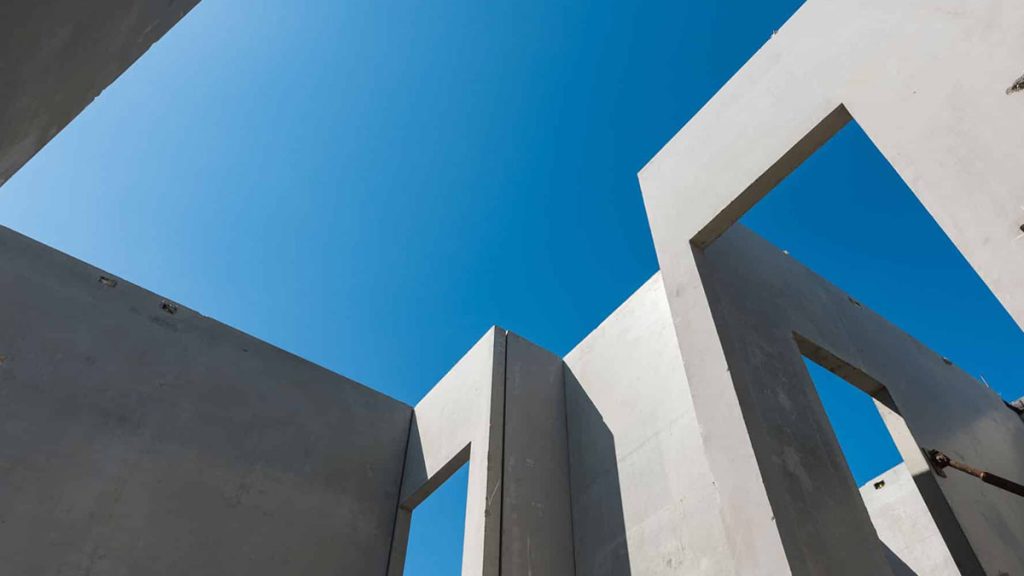
To overcome these challenges, engineers rely heavily on precast concrete components. Manufactured under controlled factory conditions and transported to the job site for rapid assembly, precast elements have become the backbone of modern infrastructure.
Here is why precast components are crucial to the success, speed, and durability of major infrastructure developments.
1. Unmatched Quality Control and Material Performance
Cast-in-place concrete on an open infrastructure site is exposed to rain, extreme heat, freezing temperatures, and humidity fluctuations—all of which degrade concrete curing and compromise compressive strength.
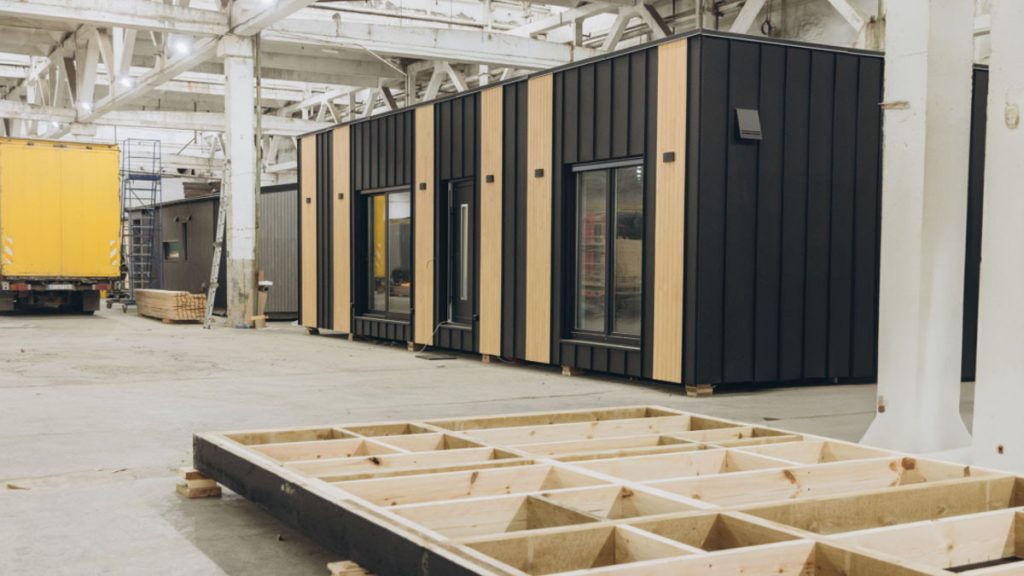
Precast components are manufactured inside climate-controlled facilities using strict quality standards. Factory production allows for:
- Precise Mix Designs: Computerized batching ensures exact water-cement ratios and consistent aggregate distribution.
- Controlled Curing: Steam-curing environments optimize hydration, allowing concrete to achieve higher early-age and ultimate compressive strengths.
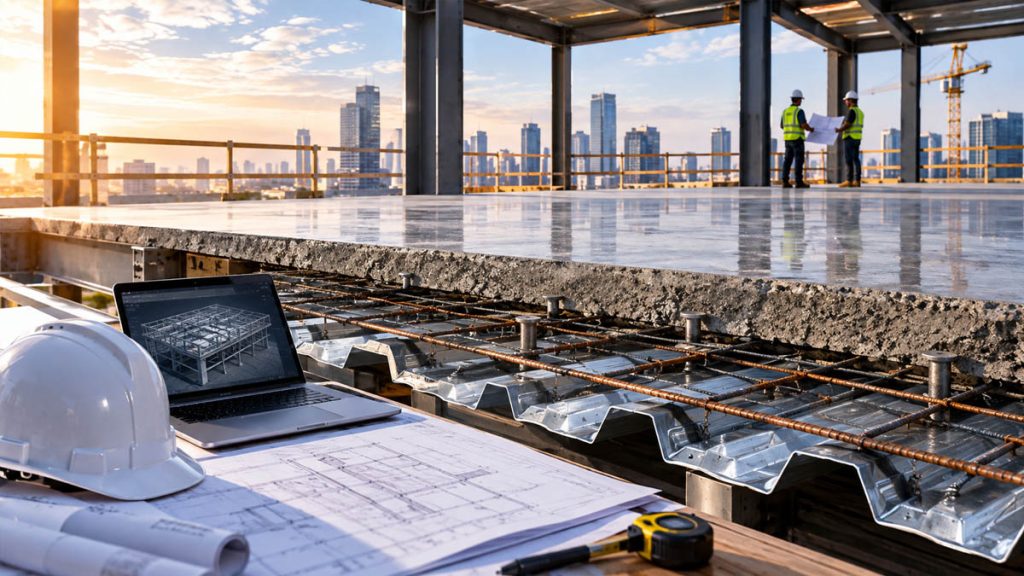
- Strict Tolerances: Steel molds and automated compaction systems guarantee precise dimensions, smooth surface finishes, and optimal rebar placement.
This controlled environment minimizes micro-cracking and permeability, producing components capable of withstanding heavy traffic loads and harsh environmental conditions for over a century.
2. Drastic Reduction in On-Site Construction Timelines
In infrastructure, time equals money—and public frustration. Traditional cast-in-place methods require sequential work: building formwork, tying rebar, pouring concrete, waiting weeks for it to cure, and stripping formwork before the next phase can begin.
Precast construction enables parallel workflows:
- Substructure and Superstructure Simultaneously: While site crews excavate and pour foundations, factories manufacture bridge girders, pier caps, and retaining walls miles away.
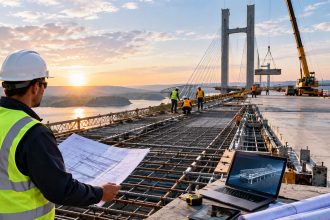
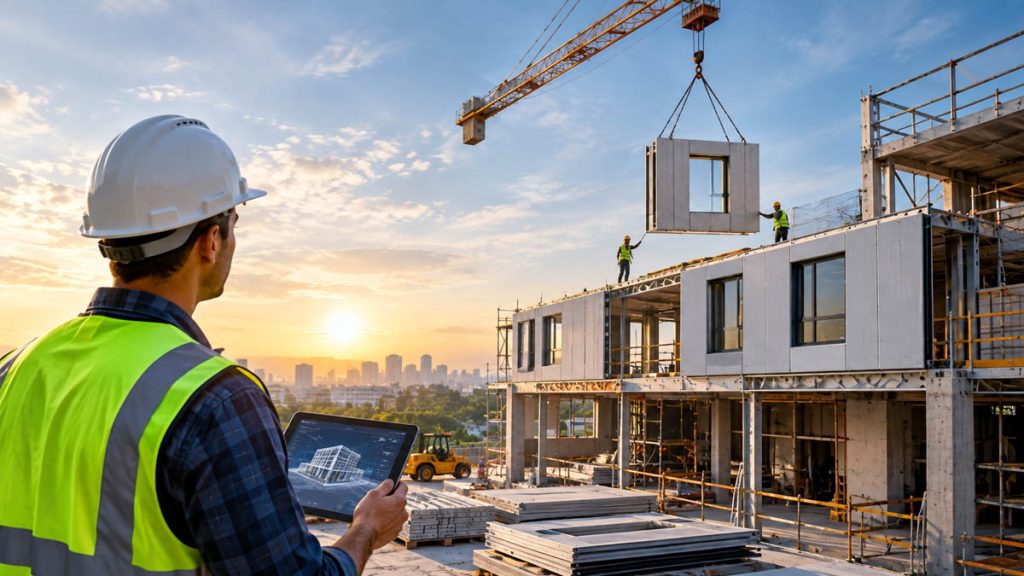
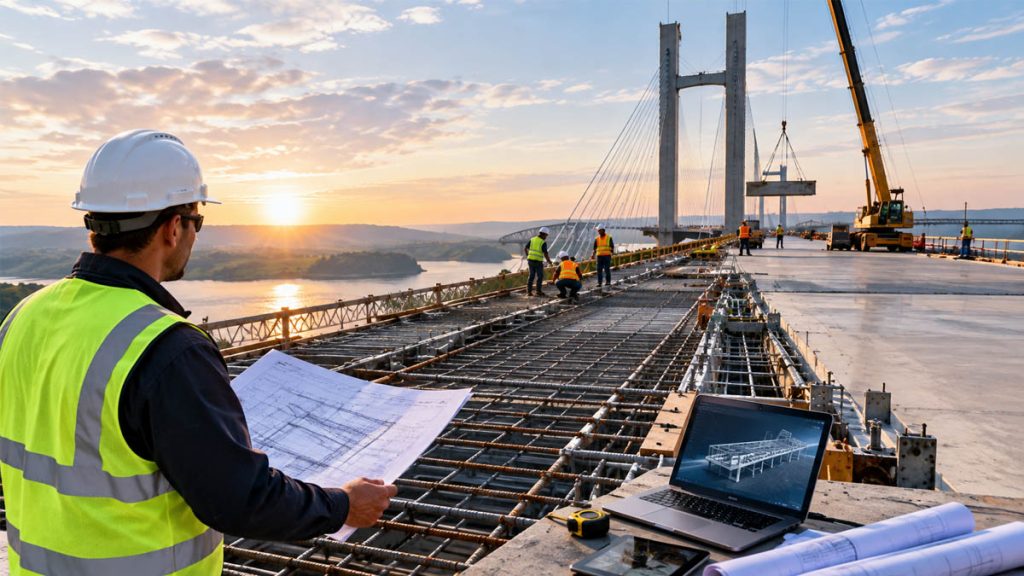
- Rapid On-Site Assembly: Once foundations are ready, heavy cranes lift precast elements directly into position. High-span bridge decks or elevated rail lines can be assembled in days rather than months.
Compressing project schedules by 30 to 50 percent lowers financing costs and delivers operational infrastructure to the public significantly faster.
3. Minimizing Public and Traffic Disruption
Building or expanding highways and urban transit lines inside congested city centers often creates severe traffic gridlock. Cast-in-place construction requires long-term lane closures to accommodate concrete mixer trucks, pumps, and extensive scaffolding systems.
Precast elements drastically reduce the physical footprint and duration of on-site work:
- Major installations (like placing highway bridge girders or pedestrian overpasses) can be completed during overnight shifts or low-traffic weekend closures.
- Roads can be reopened within hours of placing precast pavement slabs, preventing prolonged detours and economic losses for local businesses.
4. Enhanced Structural Longevity and Resistance to Harsh Environments
Infrastructure elements like bridge piers, culverts, tunnel linings, and marine seawalls are continuously exposed to severe environmental degradation: freeze-thaw cycles, de-icing salts, marine sulfates, and abrasive currents.
Precast concrete offers superior durability in aggressive environments:
- Lower permeability prevents water and chloride ions from penetrating the concrete cover and rusting internal steel rebar.
- High-performance concrete (HPC) and ultra-high-performance concrete (UHPC) mixes can be integrated effortlessly into factory workflows, creating dense, corrosion-resistant structures.
This intrinsic resistance extends maintenance intervals and reduces lifetime repair costs for public transportation authorities.
5. Increased Site Safety and Reduced High-Risk Work
Construction sites for civil infrastructure present inherently dangerous environments, involving deep excavations, high-elevation work, and proximity to active traffic corridors.
Precast methods shift high-risk activities off the site and into a controlled factory:
- Less High-Elevation Work: Workers assemble finished components using cranes instead of building formwork and tying steel cages on elevated scaffolding.
- Cleaner, Less Cluttered Sites: Eliminating heavy concrete pouring equipment, timber formwork, and loose rebar creates organized, safer working environments.
- Lower Traffic Hazards: Shorter site duration reduces worker exposure to oncoming vehicular traffic along active highway projects.
6. Sustainability and Material Waste Reduction
Infrastructure projects consume enormous volumes of raw materials. Precast manufacturing offers a far more sustainable footprint than conventional site pouring:
- Zero Formwork Waste: Reusable steel molds in precast plants can produce hundreds of identical components, eliminating thousands of tons of single-use timber and plywood waste.
- Optimized Material Use: Factory precision minimizes concrete over-ordering and optimizes steel usage through pre-tensioning and post-tensioning techniques.
- Recycling Capabilities: Excess wet concrete and washwater within precast plants are routinely reclaimed and recycled into subsequent production batches.
The Foundation of Modern Infrastructure
Precast concrete components have evolved from a simple construction alternative into an absolute necessity for modern civil engineering. By shifting production into precise, controlled factory environments, infrastructure projects achieve higher structural performance, safer site conditions, and minimal disruption to society. Precast technology ensures that the roads, bridges, and transit networks powering our cities are built to last for generations.