The traditional image of a construction site, busy with dozens of trades working simultaneously, dealing with weather disruptions, and adjusting materials on the fly, is rapidly changing. Rising labor costs, severe trade shortages, and tight project deadlines have forced the industry to evolve.
The solution gaining the most momentum is Modern Methods of Construction (MMC). By shifting heavy tasks away from the actual plot and streamlining operations, MMC fundamentally reduces the volume, complexity, and hazard of physical work required on-site.
Here is how modern methods are cutting down on-site labor and creating a faster, safer, and leaner building process.
1. Off-Site Prefabrication and Modular Assembly
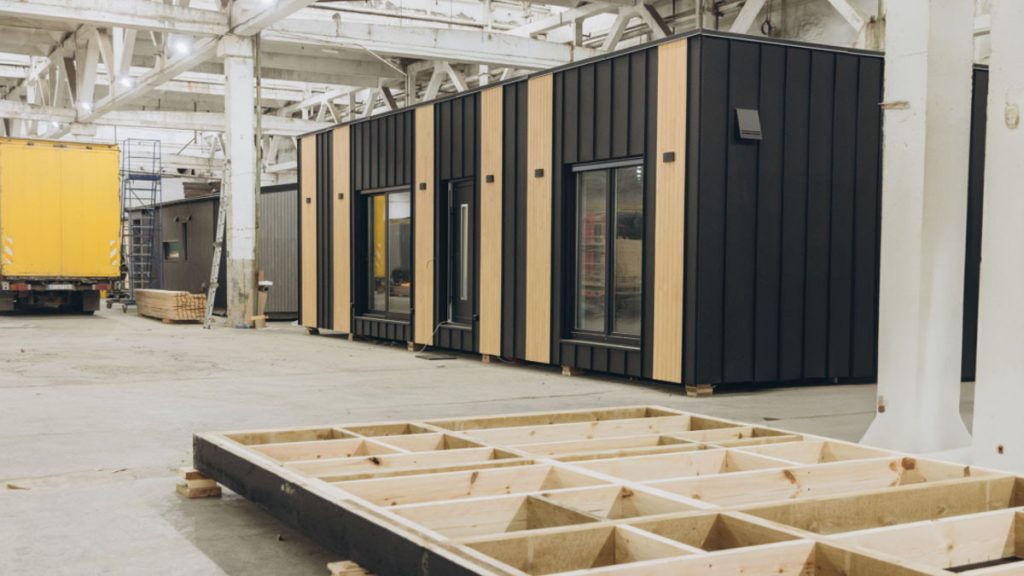
The most effective way to reduce work on a building site is simply not doing it on the site at all. Modern construction shifts major assembly tasks into off-site, climate-controlled factories.
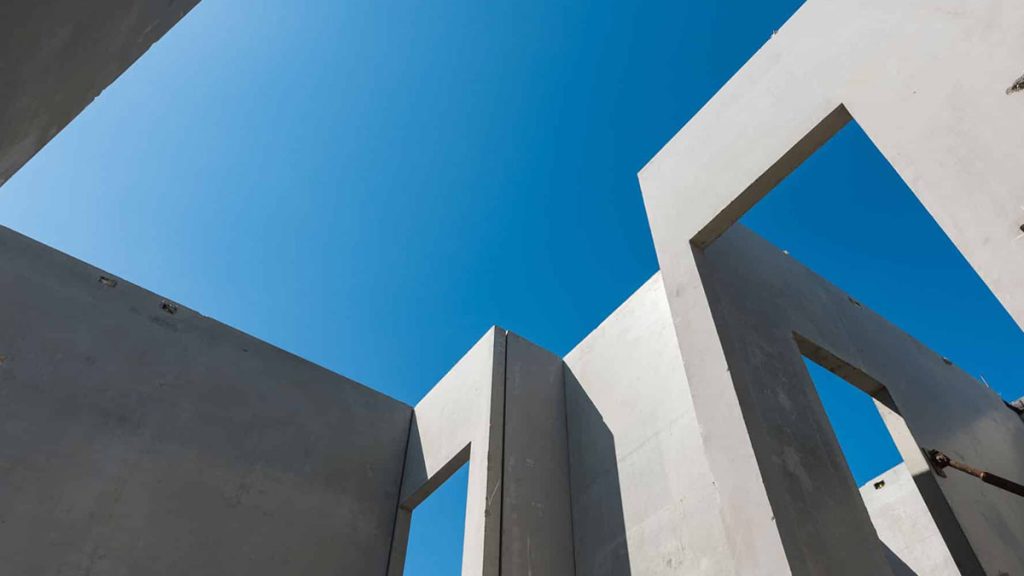
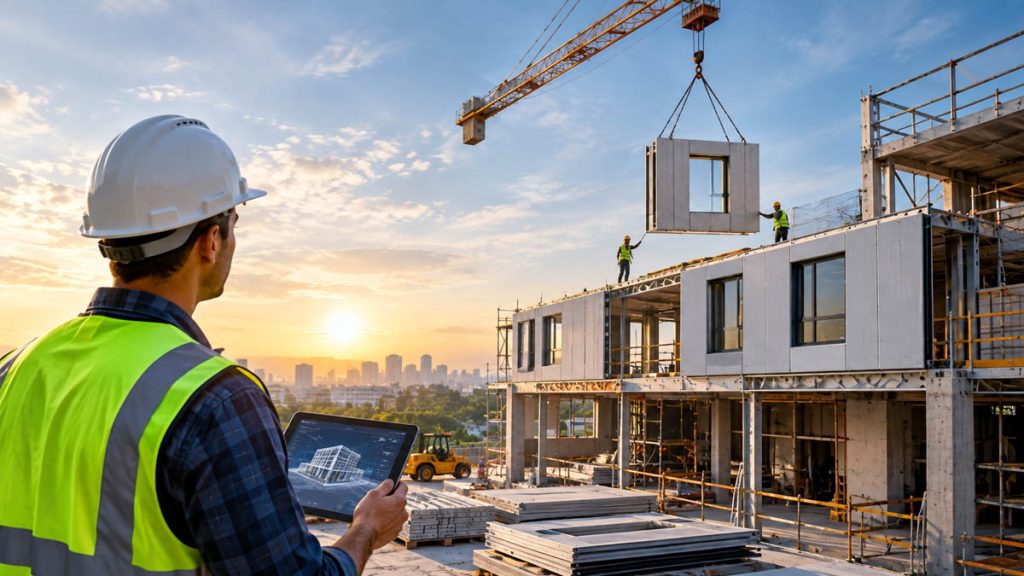
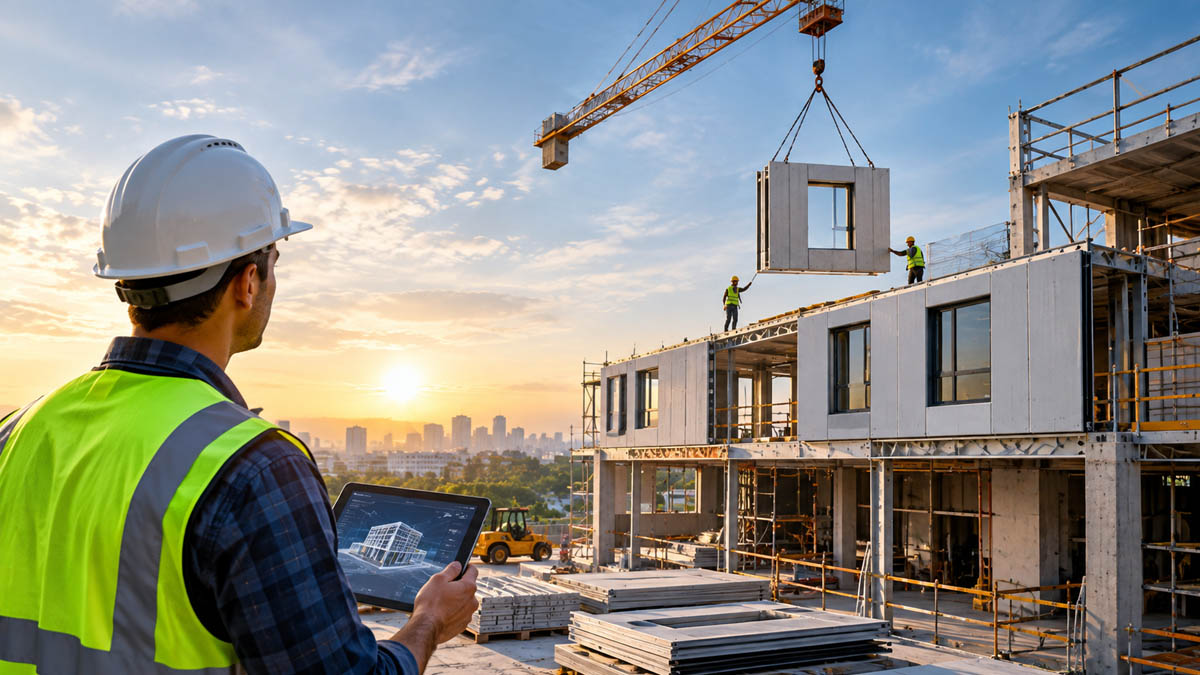
Components ranging from pre-cast concrete panels to fully finished 3D volumetric modules (complete with plumbing and wiring) arrive at the site ready for installation. Instead of weeks spent laying bricks or framing walls, site teams simply crane components into place and secure them. This approach can cut on-site labor hours by up to 70 percent compared to conventional builds.
2. Digital Modeling and Clashing Detection
Much of the physical work on a traditional site involves fixing mistakes, rerouting pipes, or cutting materials to fit after an unexpected layout issue occurs.
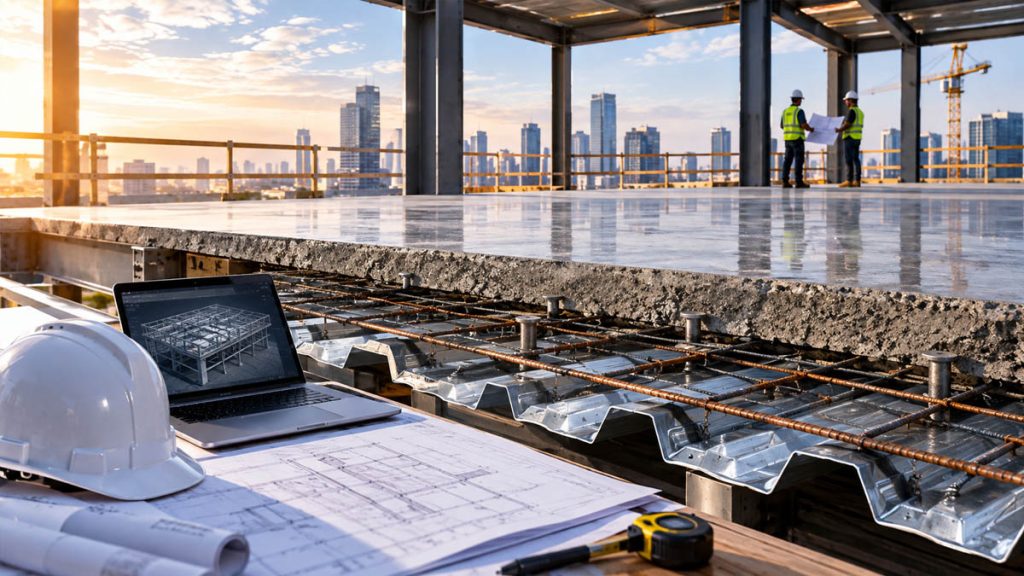
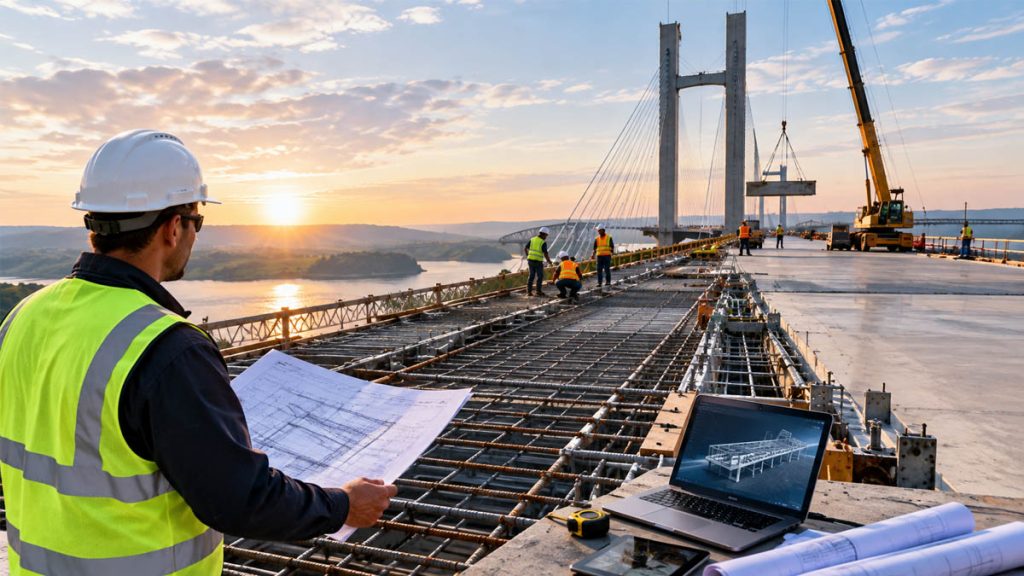
Building Information Modeling (BIM) eliminates this trial-and-error approach. By creating a precise digital twin of the building before breaking ground, engineers can spot structural or MEP (mechanical, electrical, and plumbing) clashes in 3D software. This eliminates unnecessary re-work, cuts down on custom modifications at the plot, and allows trades to execute their tasks without delays.
3. Automated On-Site Tools and Robotics
For the work that must happen on-site, automation is taking over the most physically demanding and repetitive tasks.
- Robotic Laying & Welding: Autonomous machines can lay brick, weld steel structures, and tie rebar faster and with higher precision than human crews.
- 3D Concrete Printing: Automated extruders can print foundations, walls, or entire small structures directly from digital files, requiring only a small crew to monitor the machine.
- Exoskeletons: Workers equipped with mechanical suits can lift heavy materials with less physical strain, improving endurance and preventing site injuries.
4. Simplified Material Logistics and Just-in-Time Delivery
Traditional construction sites often suffer from crowded layouts where workers spend hours moving, sorting, or searching for materials. MMC relies heavily on “Just-in-Time” (JIT) delivery systems inspired by modern manufacturing.
Materials and prefabricated modules arrive precisely when needed for immediate installation. This eliminates the need for massive storage zones on-site, reduces the manpower required for material handling, and keeps working areas clear and organized.
5. Standardized Components and Fewer Specialized Trades
On traditional builds, completing a single wall requires a sequence of distinct trades: framers, insulation installers, drywallers, painters, and electricians.
Modern panelized and kit-of-parts systems unify these steps. Components are engineered to snap or bolt together seamlessly using standardized connectors. Because these systems are designed for intuitive assembly, projects require smaller multi-skilled assembly crews rather than large teams of specialized craftworkers.
6. Weather-Independent Construction Timelines
Weather delays force site crews into unpredictable schedules, leading to rushed work, overtime, and safety risks.
Because off-site manufacturing happens indoors, production continues regardless of rain, snow, or extreme heat. Once components reach the site, the structure can be made weather-tight in a matter of days rather than months. This vastly compresses the total window of time workers need to be present outdoors on the physical site.
7. AI-Driven Site Monitoring and Drone Inspections
Project managers traditionally spent hours walking vast construction sites to monitor progress, verify safety compliance, and perform land surveys.
Drones equipped with LiDAR and AI-powered computer vision now perform these tasks in minutes. Autonomous drones can survey topography, track material usage, and scan completed sections to check against BIM models. This reduces manual inspection labor and provides project leads with instant, accurate site data.
A Leaner Future for Construction
Reducing physical work on the building site is not about eliminating jobs, it is about evolving them. By moving heavy labor into safer factory environments and delegating repetitive tasks to technology, Modern Methods of Construction protect worker health, solve labor shortages, and deliver higher-quality buildings in a fraction of the traditional time.